Dairy-Free Greek Yogurt Alternatives: A Buyer’s Guide (Coconut, Almond, or Soy?)
September 30, 2026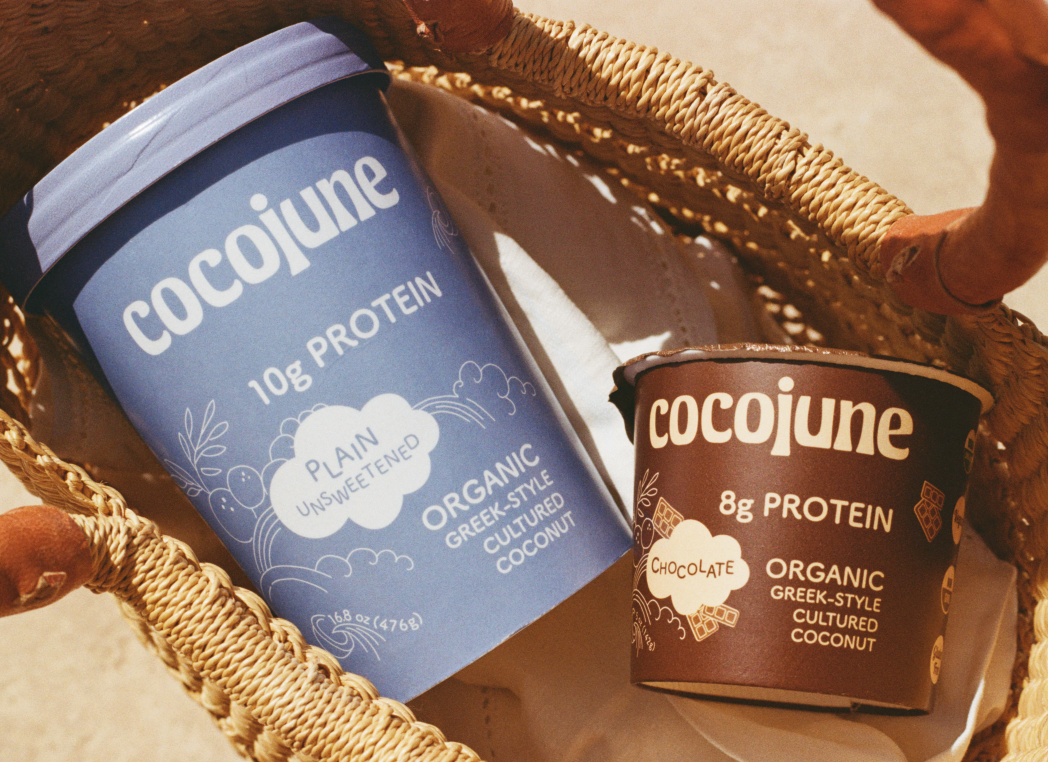
Shopping for a thick, spoonable plant-based yogurt can get confusing fast. Plenty of tubs say “Greek-style” and promise creaminess, then behave completely differently once they’re in your bowl.
Here’s what Greek-style actually means when there’s no dairy involved, how coconut, almond, and soy bases compare, and how to pick a tub that fits your texture, protein, and sugar goals.
What are dairy-free Greek yogurt alternatives?
They’re cultured plant-based foods built to mimic the thick texture and tangy taste of Greek yogurt, usually made from coconut, almond, or soy. They live in the yogurt aisle and cover all the same everyday uses.
Under the U.S. federal standard of identity, “yogurt” is made by culturing dairy ingredients like milk or cream. Plant-based cultured products fall outside that definition, which is why you’ll see labels like “Greek-style,” “cultured coconut,” or “yogurt alternative” instead of simply “Greek yogurt.”
Greek-style vs. standard plant-based yogurt
A standard plant-based yogurt is often more pourable and milder. A Greek-style one is denser and tangier — built to hold a spoon upright instead of letting it slide right off. Same aisle, very different spoonful.
What makes a plant-based yogurt Greek-style?
Dairy Greek yogurt gets its thick, clean-tasting body by straining away the liquid whey. Plant-based yogurts have no whey to remove, so brands build the thickness into the recipe from the start — with more coconut cream or other plant solids, a little starch or pectin, or simply the base plus a longer culture time.
Three levers create that Greek-style character:
- Higher solids, which make the texture dense rather than drinkable.
- Active fermentation, which develops a sour but clean tang.
- A balanced recipe, which keeps the tub scoopable straight from the fridge.
One thing thickness doesn’t tell you: protein. That depends entirely on the base and the recipe, so check the nutrition panel rather than assuming thicker means more protein — our guide to reading a yogurt label shows you where to look.
Coconut, almond, and soy bases at a glance
Coconut
The creamy pick. Coconut cream is naturally rich, so it supports a thick, dessert-like body without heavy additives, and the flavor leans gently sweet even in plain versions. Coconut itself isn’t protein-dense, so some coconut Greek-style yogurts add plant protein to close the gap — our Plain Unsweetened, for example, uses organic pea protein for 10g per cup.
Almond
Lighter, mellow, and faintly nutty — a flexible base under fruit, nuts, and granola. The texture is usually smooth, if a bit less dense than coconut, and protein depends on how much almond (and what else) goes into the recipe.
Soy
All about protein. Soy is naturally protein-rich, so soy-based tubs often post the biggest numbers of the three, with a full-bodied, almost custard-like set. The flavor can be fuller and slightly beany, and soy is one of the top 9 allergens.
| Base | Protein (tends to be) | Texture | Flavor | Best for |
|---|---|---|---|---|
| Coconut | Lower, unless protein is added | Richest and creamiest | Gently sweet, creamy | Bowls, smoothies, and savory recipes |
| Almond | Moderate to lower | Smooth, a little lighter | Mellow, faintly nutty | Fruit and nut bowls |
| Soy | Highest | Full-bodied, custard-like set | Fuller, slightly beany | Protein-focused snacks |
Read the panel, not just the base
The base is a handy rough guide, but the nutrition panel is the final word — sweeteners, added fibers, and culture choices all move the numbers. Probiotic content varies most of all, named strains and a clear “live and active cultures” line tell you far more than a single buzzword on the front — here are ours, strain by strain.
FAQ about dairy-free Greek yogurt alternatives
Can you cook or bake with Greek-style plant-based yogurt?
Yes. Swap it for dairy yogurt in muffins and quick breads in similar amounts, and loosen the batter with a little liquid if it seems stiff. For hot sauces, stir it in off the heat so it doesn’t separate.
Does a tangy taste mean my yogurt has gone bad?
Not on its own — yogurt is meant to be acidic, and cultured plant-based products develop a similar tang. Off smells, fizzing, a swollen lid, or visible mold are the real warning signs. A little liquid on top is just separation: stir it back in.
How long does an opened tub stay good?
Keep it cold on an interior shelf rather than the door, use a clean spoon every time, and go by the date on the tub. For our 16oz tubs, a clean spoon and a well-sealed lid keep them good for at least a week — our FAQ has the details.


