Dairy-Free Sour Cream Substitutes: A Buyer’s Guide
October 2, 2026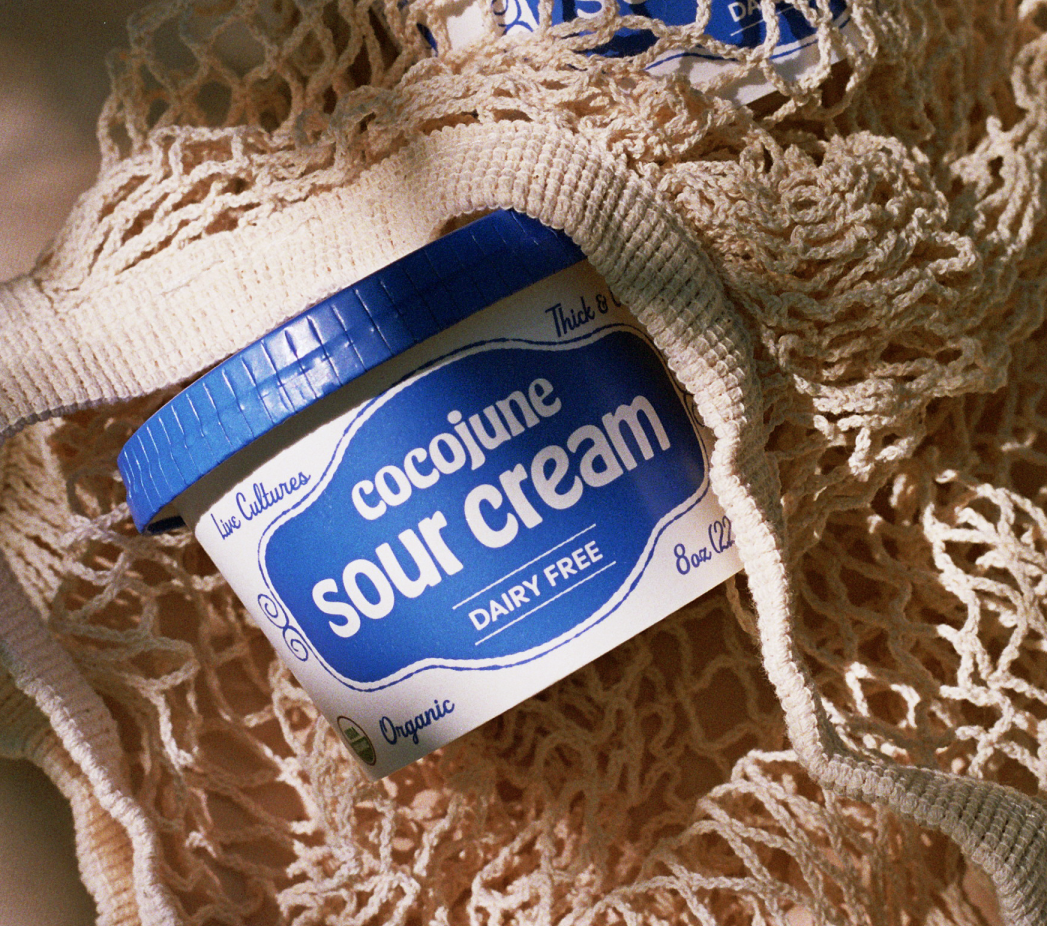
Finding a dairy-free sour cream substitute that behaves like the real thing can feel like a guessing game. Some tubs are runny, some taste flat, and some split the second they meet a warm pan. The good news: once you know how each plant base tastes and thickens, picking the right one gets a whole lot easier.
Here’s how the main options compare.
Cultured or just blended?
This is the difference you’ll taste most. Cultured plant bases develop their tang through fermentation, the same way dairy sour cream does, so they taste the closest to the real thing. Uncultured blends lean on lemon juice or vinegar instead, which tastes bright but can be a little less complex. Both have their place — the right one depends on the dish. We think the ideal combination is a cultured product with the brightness of lemon juice and vinegar.
The best dairy-free sour cream substitutes, ranked
First, the bar: a good substitute holds a dollop without sliding, carries a clear tang, and stays in the background on flavor. Here’s how the usual suspects stack up.
1. Cultured coconut yogurt
Thick, spoonable, and tangy from live fermentation. Ready-made versions are formulated to mimic dairy sour cream and usually swap 1:1 in most recipes. Our Dairy-Free Sour Cream, for example, starts with organic coconut and live cultures and gets its bite from lemon juice and rice vinegar.
2. Cashew cream
Soaked and blended cashews make a creamy, very neutral base that stays smooth and silky. Add lemon juice for tang, and it happily carries garlic and herbs without getting in the way.
3. Oat-based cream or yogurt
Mild and slightly cereal-sweet. The natural starch in oats behaves nicely in batters, so it folds into muffins and quick breads with ease. Thickness varies by brand, though — check how it holds on a spoon before giving it dip duty.
4. Almond-based cultured products
Lighter in body, with a soft nutty edge — less so for thick party dips that need to cling to a chip.
Flavor: from neutral to distinctive
Is coconut flavor a dealbreaker for you? Here’s where each base lands:
- Coconut: the most distinctive, naturally creamy and holds up well on all fronts.
- Cashew: very neutral, with a soft buttery edge that disappears into sauces.
- Oat: mild and lightly sweet, with a gentle cereal note.
- Almond: clean and a little nutty — noticeable, but not strong.
Coconut is fantastic with chili heat, lime, cumin, and smoky spices, and it’s a natural partner for fruit, pancakes, and spiced bakes.
Which one for tacos, potatoes, dips, and baking?
Matching the product to the job saves a lot of disappointment. Think about how hot the dish is, and how visible the topping should be. Reach for a thick cultured coconut sour cream.
Short on time? Our Lemon Dill, Chipotle, and Tzatziki dips are ready to scoop for those dipping needs.
Quick swap rules for busy kitchens
- Toppings: most dairy-free sour creams start at a 1:1 swap.
- Cold dips: begin at 1:1, then adjust lemon juice or salt to sharpen the tang.
- Baking: start with a little less than the recipe’s sour cream, and adjust the liquid until the batter looks right.
- Hot dishes: add it at the end over low heat, and don’t let it boil.
Our Dairy-Free Sour Cream was made for exactly these jobs: organic coconut cultured with live cultures, sharpened with lemon juice and rice vinegar, and deepened with nutritional yeast. It’s creamy, dreamy, 0g sugar, and free of all top 9 allergens — ready to swap 1:1 on tacos, potatoes, and in your bakes.
FAQ about dairy-free sour cream substitutes
What should I look for on the label?
The base ingredient hints at richness and any nutty or grainy notes, words like “cultured” or “live cultures” point to more tang, and thickeners tell you how well it’ll hold up in dips and bakes. Cooking for allergies? The allergen line is worth a careful read — our guide to reading a yogurt label walks through it line by line.
Is it safe to use dairy-free sour cream in hot dishes?
Yes — the usual problem is splitting, not safety. Very high heat can separate the fat and water, so stir it in off the heat at the end. Thicker coconut-based options cope with warmth better than thin ones.


