How to Read a Yogurt Label (So You Stop Guessing in the Aisle)
September 17, 2026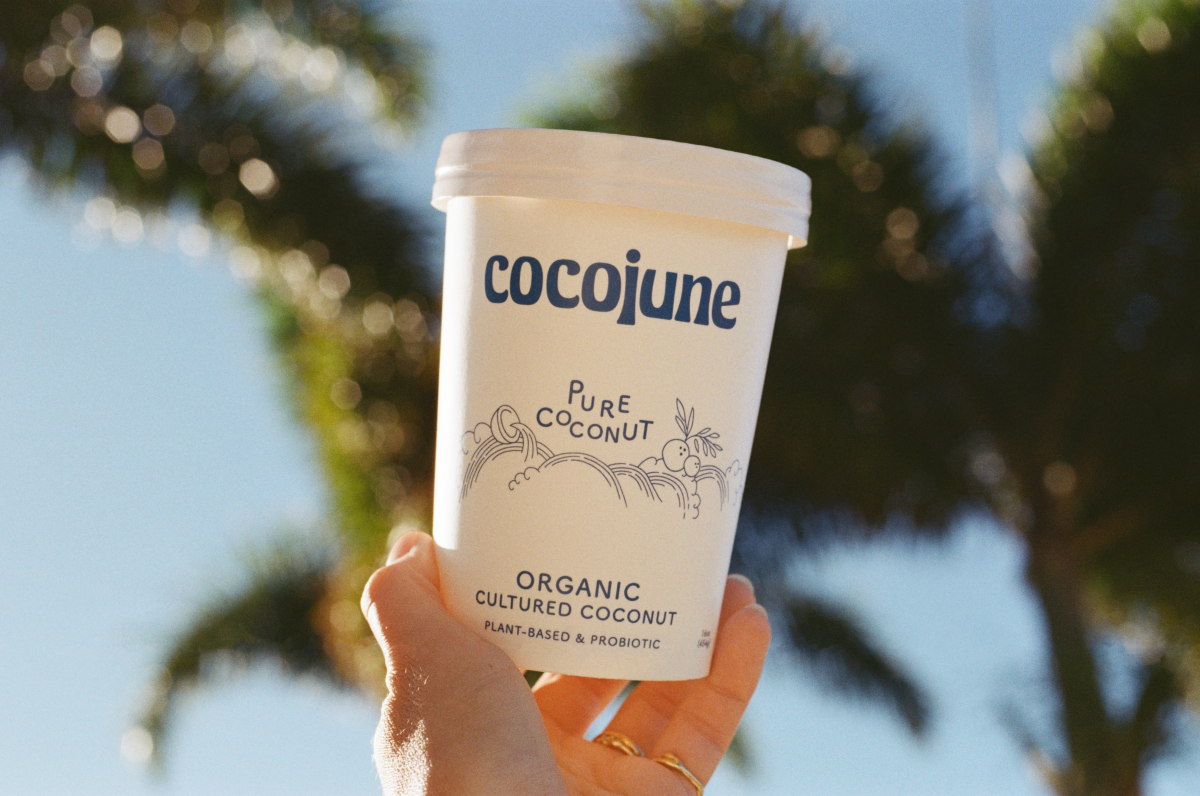
Let’s be honest: we’ve all stood in the yogurt aisle, a cup in each hand, squinting at two nutrition panels like they’re written in another language. Total sugar, added sugar, live cultures, some ingredient that sounds like it wandered out of a chemistry lab and somehow you still walk out unsure which cup was actually the better pick.
It doesn’t have to be that way. Once you know which lines on the label actually matter (and which ones are mostly noise), reading a yogurt cup takes about as long as reading a text. Here’s the order that actually makes sense:
Reading the label, line by line
A yogurt label has a natural reading order, and going through it that way beats hunting for one number and calling it a day.
Start with the serving size
This is the line everyone skips, and shouldn’t. Yogurt serving sizes aren’t standardized. One brand’s “serving” is 4oz, another’s is 2oz, another’s is a full 6oz. Every other number on the label is calculated against that first line, so if you’re comparing two cups side by side, make sure you’re actually comparing the same serving; as the sugar, fat, and calories will greatly differ with a 2oz serving vs a 4oz serving, for example.
The sugar line that matters
Total sugar and added sugar sound like the same thing. They’re not, and this is genuinely the most useful distinction on the whole label.
Total sugar counts everything in the cup — natural milk sugar, sugar from fruit, and anything poured in on purpose. Added sugar isolates just that last part. A plain dairy yogurt might list 7 grams of total sugar and 0 added — that’s just lactose doing its thing. A vanilla version of the same yogurt might show 14 grams total, with 11 of those added.
Coconut milk doesn’t carry much natural sugar on its own, so on a coconut yogurt, nearly everything on that sugar line got added during production. We minimize adding sugar — for health, taste, and texture reasons — rather than relying on it to carry the flavor.
Protein: how filling is it?
Some yogurts hold you over until lunch. Others evaporate the second you’ve swallowed the last spoonful. That’s protein doing the work, and it swings a lot depending on the base. Greek and skyr-style dairy yogurts are strained, which concentrates protein. Coconut yogurt tends to run lower here naturally, since coconut just isn’t a protein-dense ingredient to begin with, unless a brand deliberately adds one in. That’s exactly what we do with our Greek-style Protein line. We add organic pea protein, 8–10g per cup, that’s more than an egg! Our yogurt does more than just taste good.
If you’re eating yogurt as an actual meal rather than a light snack, this is the number worth comparing across brands.
Fat and saturated fat: what the base does
It’s a common misconception that all saturated fats behave the same way in the body, or that fat is inherently “bad.” The source and structure of the fat matter a great deal. Coconuts are naturally rich in plant-based saturated fats, and a meaningful portion of that fat comes in the form of medium-chain triglycerides, or MCTs. MCTs are digested more quickly and the body uses them more readily for energy, rather than storing them in the same way as some other fats. This is different from the long-chain saturated fats found in many animal products like butter or meat, which are more commonly associated with raising LDL, or “bad,” cholesterol.
Some research also suggests that MCTs may help support HDL, or “good,” cholesterol, which plays an important role in heart health. We think of coconut a bit like avocado: naturally higher in fat, but in a nourishing and functional way when enjoyed as part of a balanced diet.
What “live and active cultures” actually tells you
This phrase means exactly one thing: the bacteria that fermented the yogurt are still alive in the tub you’re holding. It doesn’t tell you which strains, how many, or what they’ll do for you. Just that the yogurt wasn’t heat-treated into inactivity after fermentation. Brands that name their specific strains on the label are usually signaling that fermentation is something they actually take seriously, not a box they checked. We list ours by name for exactly that reason. At cocojune, we blend cutting-edge probiotic science with centuries-old fermentation traditions. Our cultures are thoughtfully selected and can be known to offer support in a variety of ways, especially when working together. These strains help one another survive shelf life, reach the gut intact, and thrive once they get there, creating a full-spectrum foundation for digestive wellness:
Bifidobacterium BB-12 – Known to support gut regularity, immune resilience, and oral health; may help reduce constipation and soothe infant colic
Lactobacillus acidophilus LA-5 – Helps maintain digestive balance and may reduce gas and bloating; often used to restore gut flora after antibiotics
Lactobacillus paracasei CRL 431 – May support seasonal immune function and has been studied for its role in reducing inflammatory responses in people with allergies
Your 30-second checklist
- Check serving size before anything else.
- Skim the ingredients for the base, the sweeteners, and how much else made the cut. Less is more here, avoiding gums, fillers, natural and artificial flavors is best for overall health.
- Read added sugar, not just total sugar.
- Compare protein if you need the yogurt to fill you up.
- Look for “live and active cultures” with specific strains named.
- Check for calcium and vitamin D rather than assuming they’re there.
We built cocojune so this label wouldn’t have anything to hide: organic coconuts, low to no added sugar, and a supplement-grade dose of live cultures from a leading Danish culture bank in every single cup. Want a little flavor instead of plain? Our Vanilla Unsweetened and Raspberry run on that same clean label, just with vanilla or fruit doing the work instead of added sugar. Spoon in and see for yourself. 🥥


